A considered reference for everyday feeding, hydration, treats, storage, and routine.

Nuzzora Editorial

Nuzzora Pet Lifestyle Journal

Nutrition Guide

A clear, practical framework for choosing everyday pet food with greater intention—from complete daily meals and hydration to treats, transitions, portion awareness, and smart storage.

Editorial Note

Nutrition needs vary by species, life stage, activity level, body condition, and individual health. Use this guide as general educational information and follow the product label and your veterinarian's recommendations for your pet.

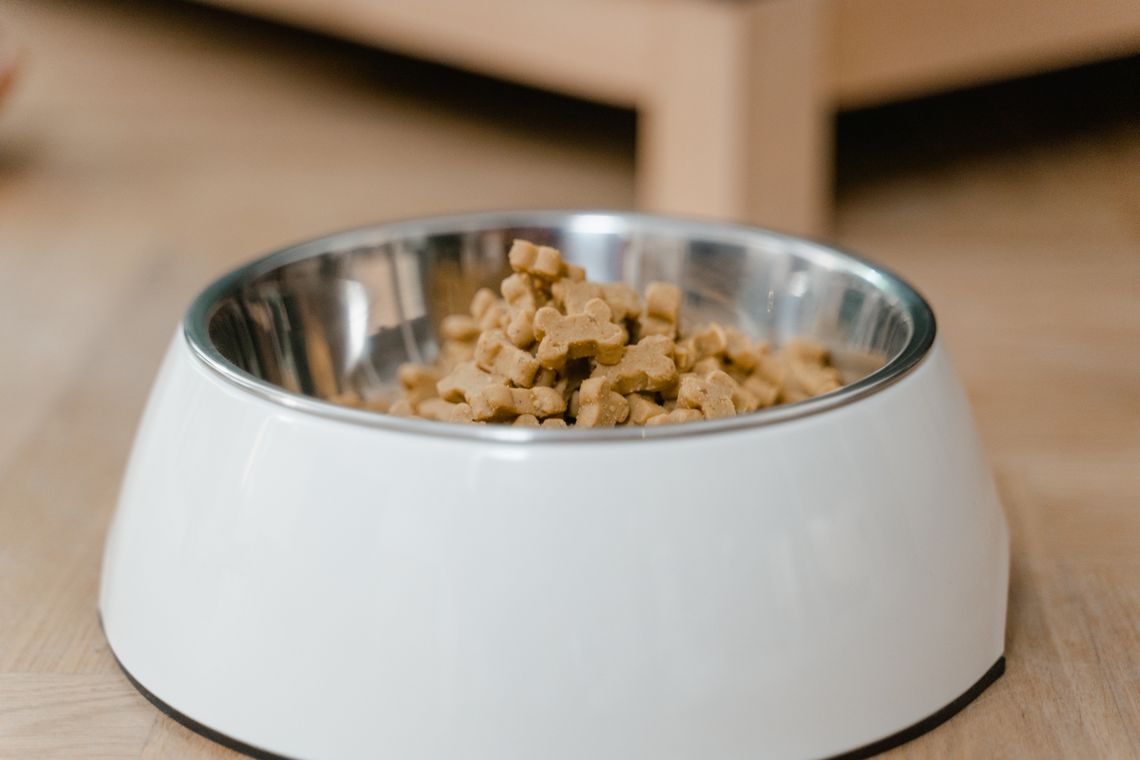
Real pet food served in a stainless steel bowl 01 / 02

The Starting Point

Begin with the everyday meal

A premium feeding routine is not about adding more. It is about making the essential choices more deliberate.

For most pets, the foundation of the routine should be a food intended for their species and appropriate life stage. Packaging should clearly explain how the product is meant to be fed, whether it is formulated as a complete daily food or intended only for supplemental use.

From there, the routine becomes easier to understand: select a suitable primary food, measure consistently, keep fresh water available, use treats with purpose, observe your pet's response, and make changes gradually rather than constantly switching.

Individual needs can differ significantly. Pets with allergies, digestive concerns, chronic conditions, unusual weight changes, or prescribed diets should be fed according to professional veterinary guidance.

Food Formats

Three formats, three roles

Dry Food, Wet Food, and Pet Treats can all belong in a thoughtful routine, but they do not automatically serve the same nutritional purpose.

01 / DRY Daily Format

Dry Food

Dry food offers a convenient, easy-to-measure format for regular feeding. The important distinction is whether the specific formula is designed as a complete diet for your pet's species and life stage.

  • Follow the serving guidance on the package.
  • Measure portions rather than estimating by eye.
  • Keep the original product information available.
  • Store the food sealed, dry, and protected from heat.
02 / WET Moisture-Rich

Wet Food

Wet food brings a higher-moisture format to mealtime and can be used as the primary meal or as part of a mixed routine when the product instructions support that use.

  • Check whether the product is complete or supplemental.
  • Refrigerate opened food when the package directs.
  • Keep bowls clean between servings.
  • Account for wet food when calculating the full daily intake.
03 / TREAT Supplemental

Pet Treats

Treats work best as intentional extras rather than replacements for a balanced primary diet. Their role may include training, enrichment, bonding, or simply a small moment of reward.

  • Treats should complement the daily meal.
  • Keep serving size consistent and intentional.
  • Choose a size and texture appropriate for your pet.
  • Include treats when considering total daily intake.

Label Reading

Read beyond the front panel

Premium packaging can be beautiful, but the information that matters most is usually found in the quieter details.

The useful question

What does this food actually tell me about who it is for, how it should be fed, and what role it is meant to play?
01

Intended use

Determine whether the food is intended as a complete daily diet, a complementary product, a topper, or a treat.

02

Species and life stage

Dog and cat nutrition are not interchangeable. Check that the formula is appropriate for the pet and stage of life identified on the product.

03

Feeding directions

Use the package instructions as a starting framework, then consider your pet's body condition, activity level, and veterinary guidance.

04

Ingredient information

Review the complete ingredient list rather than relying only on front-of-pack claims or a single highlighted ingredient.

05

Storage guidance

Follow package instructions for storage, refrigeration after opening, and any recommended time limits once the product has been opened.

Daily Bowl

Build a calmer feeding rhythm

Consistency often makes a feeding routine easier to understand, easier to monitor, and easier to adjust thoughtfully.

Start with the primary food

Make the main meal the nutritional anchor. Confirm that it is appropriate for your pet and use the feeding directions as the initial reference point.

Measure with consistency

Use the same scoop, cup, or kitchen scale method each time so that changes in appetite or intake are easier to notice.

Keep extras intentional

Treats, toppers, and shared snacks can quietly add up. Include them in your overall view of the day rather than treating them as nutritionally invisible.

Pair every meal with water

Keep clean, fresh water accessible and refresh the feeding station routinely. Water Fountains can support an organized hydration setup when used and maintained according to their instructions.

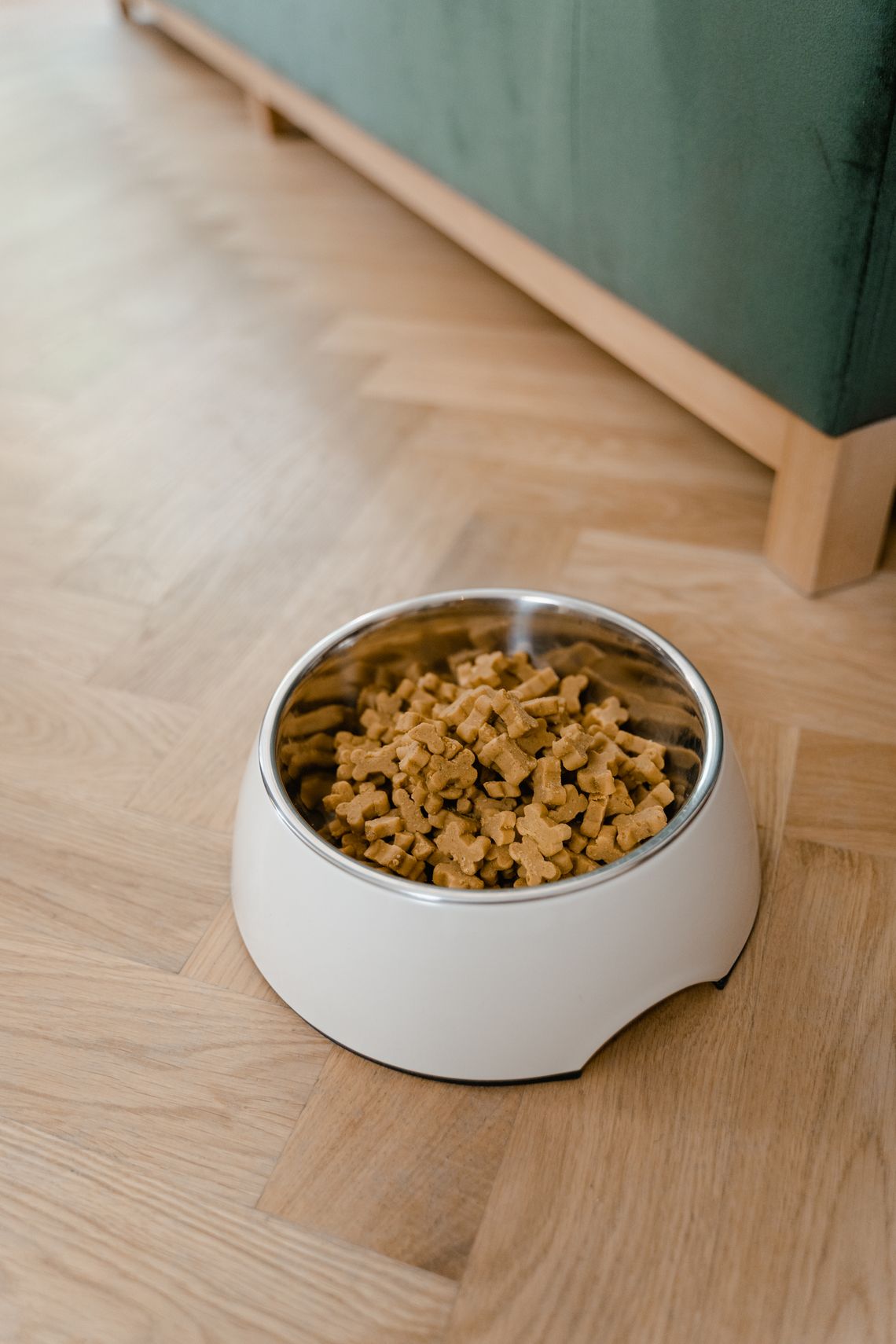
Real dry pet food displayed in a clean feeding bowl 02 / 02
Feeding Station Study Everyday Ritual

Hydration

Treat water as part of the meal

Food receives most of the attention, but hydration belongs in the same daily system.

Keep fresh drinking water available and make the water area easy to notice, easy to access, and easy to maintain. If you use a Water Fountain, follow the manufacturer's cleaning, filter, and replacement guidance.

Freshness Refresh the water regularly rather than waiting for the bowl or fountain reservoir to become visibly empty.
Placement Choose an accessible location where the water source is unlikely to be blocked or forgotten.
Cleanliness Wash bowls and fountain components on the schedule recommended for the specific product.
Observation Meaningful changes in drinking habits can be worth discussing with a veterinarian, especially when combined with other changes.

Daily Perspective

Look at the whole routine

Instead of judging one ingredient, one meal, or one day in isolation, consider the pattern created by food, water, treats, activity, and observation.

A
Food

Primary Nutrition

The core food should do the heavy lifting. Confirm its intended use and suitability before layering on extras.

B
Water

Daily Hydration

Keep water consistently available and make cleaning the bowl or fountain part of the feeding routine.

C
Treats

Intentional Extras

Rewards have a place, but they should remain visible within your overall view of daily food intake.

D
Response

Ongoing Observation

Appetite, stool quality, body condition, energy, and drinking patterns can help you notice when a routine deserves closer attention.

Pet Treats

Make every treat count

A treat can be a training tool, a ritual, an enrichment moment, or simply affection made tangible.

The more intentional the role, the easier it is to keep treats from quietly taking over the nutritional structure of the day.

RULE 01

Choose a purpose

Training, enrichment, reward, or bonding—knowing why you are offering a treat helps keep the habit intentional.

RULE 02

Check the serving

Read the package guidance and adjust the size or frequency to suit the individual pet and the rest of the day's food.

RULE 03

Count the extras

Multiple small rewards can become substantial when repeated throughout the day. Keep the full pattern visible.

RULE 04

Match the pet

Select a treat size, texture, and ingredient profile that is appropriate for your pet and any professional dietary guidance.

Food Transition

Change food gradually

When switching between everyday foods, a gradual transition can make it easier to observe how your pet responds. Follow the new product's directions and any veterinary advice specific to your pet.

Phase 01

Introduce

Begin with a smaller amount of the new food alongside the familiar food, unless your veterinarian or product instructions advise otherwise.

Phase 02

Increase

Gradually increase the new food while watching appetite, stool quality, comfort, and general behavior.

Phase 03

Observe

If your pet appears uncomfortable or develops concerning symptoms, pause the routine change and seek professional guidance.

Phase 04

Settle

Once the new routine is established and well tolerated, return to a consistent schedule and continue normal observation.

There is no single transition schedule that is right for every pet. Sensitive pets, pets with medical conditions, and pets on prescribed diets may require a different approach.

Portion Awareness

Measure first, adjust thoughtfully

Feeding charts are useful starting points, but the individual pet still matters.

01
Start with the product guide

Use the feeding instructions provided for the exact formula rather than borrowing a serving size from another product.

02
Use one measuring method

Consistency makes the routine easier to track and reduces accidental variation from meal to meal.

03
Consider the full day

Include treats, toppers, multiple meals, and food offered by other household members when reviewing daily intake.

04
Review meaningful changes

Unexpected weight gain, weight loss, appetite changes, or persistent digestive concerns deserve professional attention.

Food Storage

Protect what goes into the bowl

Good storage is part of good feeding. Keep product information, freshness, and cleanliness in the same system.

D

Dry Food

Keep dry food sealed and protected from moisture, heat, and contamination. Retaining the original package information can be useful for product details, batch information, and feeding directions.

W

Wet Food

Follow the product instructions after opening, including refrigeration guidance and any recommended time limits. Use clean utensils and clean feeding bowls.

T

Pet Treats

Close treat packaging after each use and keep it in the storage conditions stated on the label. Review freshness and condition before serving.

Life Stage

One routine does not fit every age

Nutrition requirements can change as a pet grows, matures, becomes more or less active, or develops new health considerations.

01 / GROWTH

Early Life

Growing pets have different nutritional needs from adults. Choose food specifically intended for the appropriate species and life stage.

02 / ADULT

Adult Routine

Adult feeding benefits from consistency, measured portions, appropriate activity, hydration, and regular body-condition awareness.

03 / SENIOR

Later Life

Older pets may develop different nutritional or medical needs. Discuss significant routine changes with a veterinary professional.

04 / INDIVIDUAL

Special Needs

Allergies, chronic conditions, prescribed diets, pregnancy, nursing, and unusual body-condition changes require individualized professional guidance.

Observation

Notice changes, not perfection

The goal is not to analyze every meal. It is to know your pet's normal pattern well enough to notice when something meaningfully changes.

Appetite changes

A persistent drop in appetite, refusal to eat, or unusually intense hunger can warrant closer attention.

Digestive changes

Repeated vomiting, ongoing diarrhea, constipation, or other persistent digestive changes should not be managed only by experimenting with food.

Weight or body-condition changes

Unexpected gain or loss may reflect changes in intake, activity, or health and deserves an informed review.

Drinking or urination changes

Noticeable changes in thirst or urination can be medically significant and should be discussed with a veterinarian.

Energy or behavior changes

Reduced energy, unusual restlessness, weakness, or other marked behavioral changes can signal that the issue extends beyond food preference.

Quick Reference

Keep the essentials simple

A concise daily reference for a more organized feeding station.

Before Buying

Confirm the role

Know whether the product is a complete daily food, complementary food, topper, or treat.

Before Serving

Read the label

Check species, life stage, feeding directions, storage instructions, and any relevant warnings.

During Feeding

Measure consistently

Use a repeatable serving method and keep treats or extras visible within the day's total intake.

Every Day

Refresh the water

Maintain easy access to clean drinking water and keep bowls or Water Fountains properly cleaned.

When Changing

Transition gradually

Introduce a new everyday food progressively unless professional guidance or product directions indicate another approach.

After Opening

Store correctly

Protect food from heat, moisture, contamination, and improper storage conditions.

Over Time

Watch the pattern

Notice meaningful changes in appetite, body condition, digestion, thirst, energy, or behavior.

When Unsure

Ask a professional

Use veterinary guidance for medical conditions, prescription diets, persistent symptoms, and significant nutritional changes.

Questions

Feeding notes, clarified

A practical set of answers for common everyday nutrition questions. Every panel remains closed until you choose to open it.

Can Dry Food be used as an everyday meal?

It can be when the specific product is formulated and labeled for complete daily feeding for your pet's species and appropriate life stage. Review the packaging rather than assuming that every dry product serves the same purpose.

Can Wet Food be mixed with Dry Food?

Mixed feeding can be part of a routine when both foods are suitable for your pet and the combined intake is considered. Follow each product's guidance and avoid simply adding a full serving of one food on top of a full serving of another.

How should I use Pet Treats?

Treats are best used as intentional extras for training, enrichment, reward, or bonding. They should complement rather than displace the nutritional role of the primary food.

Do dogs and cats have the same nutrition requirements?

No. Dogs and cats have different nutritional requirements, so food should be selected for the correct species. Do not use one species' everyday food as a routine substitute for the other's unless specifically directed by a veterinarian.

How quickly should I switch to a new food?

Many routine food changes are introduced gradually so that the pet's response is easier to observe. The exact pace can vary, so follow the new product's directions and veterinary guidance when your pet has sensitivities or medical needs.

How do Water Fountains fit into a nutrition routine?

A Water Fountain can be part of an organized hydration station. The important priorities are clean water, reliable access, proper cleaning, and filter or component maintenance according to the fountain manufacturer's instructions.

Should I change food when my pet gains or loses weight?

Significant or unexplained weight change should be evaluated in context rather than addressed only by switching products. Review portions and treats, and seek veterinary guidance when the change is unexpected, persistent, or substantial.

What should I do if my pet suddenly stops eating?

Sudden or persistent loss of appetite can have causes beyond food preference. Contact a veterinarian promptly when you are concerned, especially if the appetite change occurs with vomiting, diarrhea, weakness, pain, unusual behavior, or other symptoms.

Nuzzora Support

Need help with your order?

Our customer support team is available 24/7 for order, delivery, return, exchange, and general store-service questions.

Nutrition Disclaimer

This page provides general educational information about everyday pet feeding and is not veterinary advice, diagnosis, or treatment. Nutritional needs vary by species, breed, life stage, body condition, activity level, pregnancy or nursing status, medical history, and individual health. Always follow the instructions provided with the specific pet food product and consult a qualified veterinarian regarding medical concerns, prescription diets, allergies, persistent digestive issues, unusual appetite or thirst, unexplained weight changes, or significant changes to your pet's feeding routine.